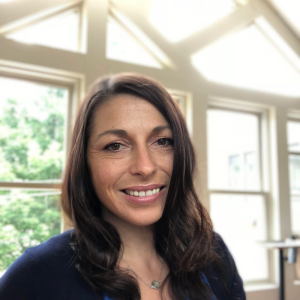
Deena Chadwick is running for a one year seat on the Brattleboro Selectboard.
What would you say are your qualifications for the job?
My name is Deena Chadwick, and I’m a third-generation Vermonter and longtime Brattleboro resident. I’ve lived in a number of neighborhoods in Brattleboro, as well as in Vernon and briefly in Guilford. I graduated from BUHS in 1993 and raised my two children here; they both attended Green Street School and BUHS and are now in their early 20s.
For the past 31 years, I’ve worked as a hairstylist in Brattleboro—17 years at Whitman’s Hair Salon, over 14 years running my own business, and the last 8 years as a co-owner of a cooperative hair salon. I also previously co-owned a downtown cycling studio. Over the last decade, I’ve been involved in rehabbing older homes and turning them into business spaces and affordable housing.
Running businesses in Brattleboro has given me practical experience with budgeting, payroll, leases, regulations, permitting, and day-to-day problem-solving. I know what it’s like to balance limited resources, make hard decisions, and stay accountable to the people you serve. That perspective—combined with thousands of conversations with people from all walks of life—has strengthened my skills in listening, collaboration, and long-term planning. I believe these are essential qualifications for serving effectively on the Selectboard.
Why are you running for a seat on the selectboard? Is there something in particular you’d like to accomplish?
I’m running because I care deeply about Brattleboro’s future and want to help the town navigate change in a way that keeps it livable, welcoming, and sustainable for the people who are here now, for those who want to stay, and for people who hope to move here and contribute to our community.
I’ve seen how hard it can be to run a small business, find affordable housing, and simply make a life here. I’ve had to pivot many times myself to continue living and working in town. I’d like to bring that practical, on-the-ground perspective to the Selectboard.
In particular, I’d like to:
• Support more sustainable, thoughtful growth that strengthens our tax base without losing our character. This can include working collaboratively with surrounding towns and the region to develop coordinated, mid-level economic opportunities that benefit all of us and support healthy growth.
• Encourage creative approaches to housing and reuse of existing buildings, including more affordable options.
• Help improve communication, trust, and connection between the town and residents—serving as a bridge-builder who helps bring different viewpoints together and makes sure more voices feel heard and included, including those who may not feel comfortable speaking publicly.
What’s the board got right recently? What’s been a mistake?
From my perspective as a resident and small business owner, the board has gotten it right when it has:
• Taken community input seriously and held open, public discussions.
• Continued to support efforts that keep our downtown active and our services functioning despite real budget and staffing pressures.
Where I see room for improvement—and where I might differ at times—is around:
• Communication and clarity: sometimes decisions or changes can feel abrupt or confusing to residents and small businesses.
• How disagreements are handled: at times, personal agendas and strong differences have drawn too much attention to division, instead of focusing on solutions and shared goals.
I don’t think anyone on the board is acting in bad faith; I see hard-working people doing their best. But I do think we can do better at lowering the temperature, keeping the focus on the work, and making more people feel comfortable participating.
What impresses you most about Brattleboro?
What impresses me most is how compassionate this community is, and how often people step up for one another.
Through my work as a hairstylist and small business owner, I’ve seen over and over how residents and town employees work hard to keep Brattleboro safe, supportive, and welcoming. Whether it’s neighbors helping neighbors, organizations offering services, or town staff and departments going the extra mile, there is a real commitment here to caring for one another and for our town.
I’m also impressed by our strong sense of place—our downtown, our neighborhoods, our natural surroundings, and the pride people feel in calling Brattleboro home.
What gives you the most worries?
I worry about affordability and sustainability—for residents, renters, homeowners, and small businesses.
Specifically, I worry that:
• People who grew up here, or who work here, are finding it harder to afford to stay.
• Small businesses are being squeezed by rising costs and limited margins.
• Our housing challenges, if not addressed thoughtfully, could push people out or discourage new families and workers from settling here.
I also worry about community division and silence—not just the people who are loudly disagreeing, but also those who stay quiet because they feel they’ll be judged or vilified for their beliefs if they speak in public. When people feel unheard or unsafe sharing their views, it becomes much harder to solve our problems together.
Do you have a brilliant idea for solving what worries you?
I won’t claim a single “brilliant” idea that fixes everything, but I do believe in a practical, collaborative approach:
• Take a hard, honest look at housing and commercial spaces we already have—empty or underused buildings—and support creative reuse and rehab, as I’ve done in my own work.
• Strengthen support for small businesses and cooperatives, including making sure town policies and processes are clear, efficient, and not unnecessarily burdensome.
• Improve two-way communication: not just listening sessions, but also simple, modern tools—like online surveys, polls, and other technology—to hear from people who can’t or don’t want to speak at a microphone. We should simplify communication, use current technology, and make it easier for people to share their views in multiple ways.
Sometimes the “brilliant” idea is simply to listen well, bring a range of people to the table, and be willing to adjust course when something isn’t working.
What are the top issues the town should be spending time and resources to address?
I see these as top priorities:
1. Housing and affordability – from renters to homeowners to people experiencing homelessness, we need more options and better coordination. Brattleboro is already working on this with projects like Groundworks’ new facility and the mixed-level housing planned at the Village at Winston Prouty. Our planning department has seen over 70 new housing permits recently, and it’s important that we keep this momentum going.
2. Economic vitality – supporting small businesses, attracting and retaining workers, and strengthening our tax base in sustainable ways. That can include regional collaboration with neighboring towns to plan and coordinate mid-level employment and business opportunities that support steady, healthy growth.
3. Public safety and community well-being – continuing to support and build on the systems we already have in place, including our police, fire, and EMS departments, along with collaborative teams like the Brattleboro Resource Assistance Team (BRAT), Project CARE (Community Approach to Recovery and Engagement), and One Brattleboro. There is also growing collaboration between these networks and partners like Turning Point, Groundworks, and HCRS. These partnerships are already showing how we can respond to challenges with both safety and compassion.
4. Infrastructure and long-term planning – maintaining what we have with a solid, realistic plan for repair and upgrades; planning for climate resilience; and coming up with practical, sustainable ways to grow while making sure long-term investments reflect community priorities.
Are budget resources being allocated correctly? If not, what would you like to see change?
I think our budget reflects many real needs, but we’re at a point where every dollar needs to be tied clearly to community priorities, and that connection isn’t always obvious to residents.
I would like to:
• Make the budgeting process more understandable and accessible, so people can see where money goes, what we’re spending it on, and how it connects to the systems that protect the community and keep the town working efficiently.
• Look for efficiencies and partnerships—collaborating with nonprofits, regional partners, and the state where possible to stretch our resources.
• Ensure we’re not underinvesting in things that save money and hardship in the long run—like housing, support services, and infrastructure maintenance.
What do you consider the essential services of the town?
To me, essential services are the things that keep people safe, keep the town functioning, and maintain a basic quality of life:
• Public safety: police, fire, EMS, emergency response, and on-the-ground responses that combine safety with care for the people involved.
• Infrastructure and operations: water, sewer, streets, sidewalks, snow removal, and maintenance of public facilities.
• Core administration and governance: elections, record-keeping, permitting, finance, and the day-to-day functions that keep the town running.
• Human services and support, backed by reasonable collaboration between the town and local organizations, so that we’re working together to support overall community stability, balance, and well-being.
What’s a luxury the town budget could do without?
I’m careful about calling anything a “luxury,” because even smaller items often have supporters and history behind them. That said, I think we should regularly and honestly review:
• Programs, projects, or line items that don’t clearly connect to our current priorities of safety, housing, economic stability, basic infrastructure, and community health and mental well-being.
• Costs that might be better handled through regional collaboration, grants, or private partnerships, instead of relying entirely on local taxpayers.
Before I’d label something as “unnecessary,” I’d want a transparent, public process where residents can see the tradeoffs and weigh in. For me, the priority is making sure we’re investing in what keeps people safe, housed, supported, healthy, and able to live and work here.
What’s your preference and why – Representative Town Meeting, Open Town Meeting, Australian Ballots, or something else entirely?
I think it’s time for Brattleboro to have an honest conversation about changing our system.
While I respect the history of Representative Town Meeting, I see how polarized it has become and how that affects participation. Many people have told me they will not speak up in that setting because they fear being chastised, dismissed, or judged in front of a large group. When people feel silenced or intimidated, the system is not working as it should.
RTM has been in place for a long time, but I don’t believe it’s still the most effective way to reflect our whole community. I would like to see a more formal public education process around town issues, where people can come together to hear clear information, ask questions, and become better informed about what’s at stake before decisions are made.
However, I believe all actual decisions and votes should be made by Australian ballot. I feel it is the right of every registered voter in Brattleboro to be able to vote directly—not just the relatively small group of people on RTM, year after year. Moving to a system where everyone can vote by ballot would open up participation, reduce fear of speaking in a specific room or format, and better reflect the will of the community as a whole.
Answer a question that no one asks you about… 🙂
One question I’m rarely asked is: “What have you learned from listening to so many different kinds of people for so many years?”
Over 31 years as a hairstylist and small business owner, I’ve listened to people talk about their families, work, health, money worries, hopes, and fears. What I’ve learned is that:
• Most people, regardless of politics or background, want many of the same things: safety, stability, respect, and a chance to build a decent life.
• People are often much more thoughtful and nuanced than they feel safe showing in public, especially when issues feel polarized.
• When you really listen, people will often tell you not just what they think, but why—and that “why” is where you find common ground.
I want to bring that same kind of listening and bridge-building to the Selectboard.
Can you recommend anything for us to read, watch or listen to?
I’d encourage people to:
• Follow regional newspapers and other local news sources to stay grounded in what’s happening here, not just at the national level.
• Check out local and regional podcasts that cover news, civic issues, and community stories.
Beyond that, I always recommend listening to people in your own life who don’t see things exactly the way you do. Sometimes the most important “reading” or “listening” we can do is right in our own community.
What’s the best way for people to find out more about your campaign?
The best way to learn more is to visit my Facebook campaign page, Deena for Brattleboro (facebook.com/deenaforbrattleboro), where I’ll be sharing updates, thoughts, and information about issues facing Brattleboro.
You can also reach me directly at deenaforbrattleboro@gmail.com. I truly welcome questions, concerns, and ideas—even (and especially) from people who might not agree with me on everything. My goal is to listen, learn, and work together for a stronger, more connected Brattleboro.
Thanks for spending time with iBrattleboro.com


well said
I did not know who you were and I appreciate your thoughtful responses!!